Through my personal projects, I found I had a big interest in the character design. As a beginning stage of animation pipeline, it excites me to continue doing the following work.
Pathway
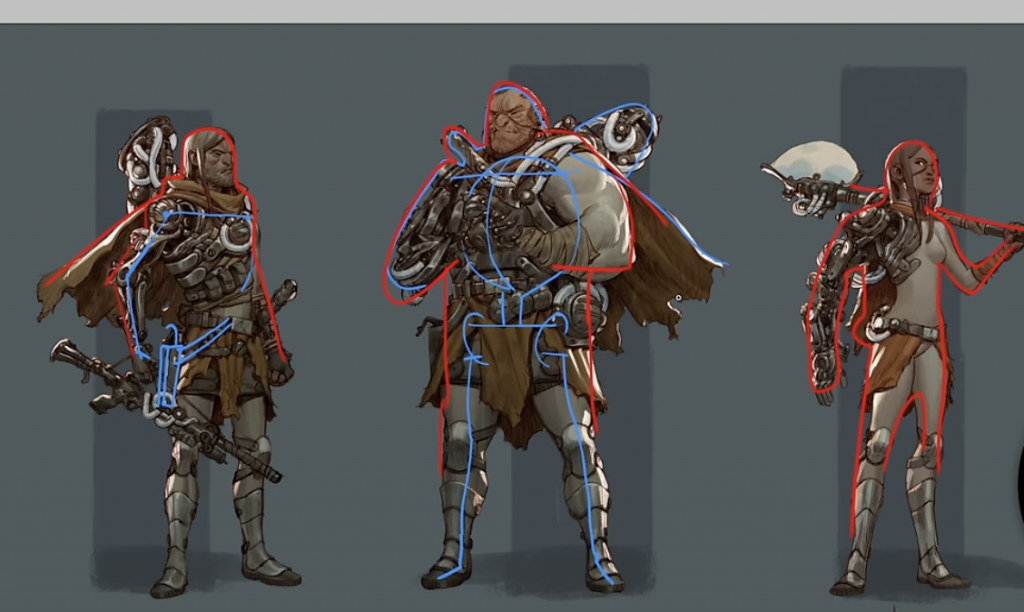
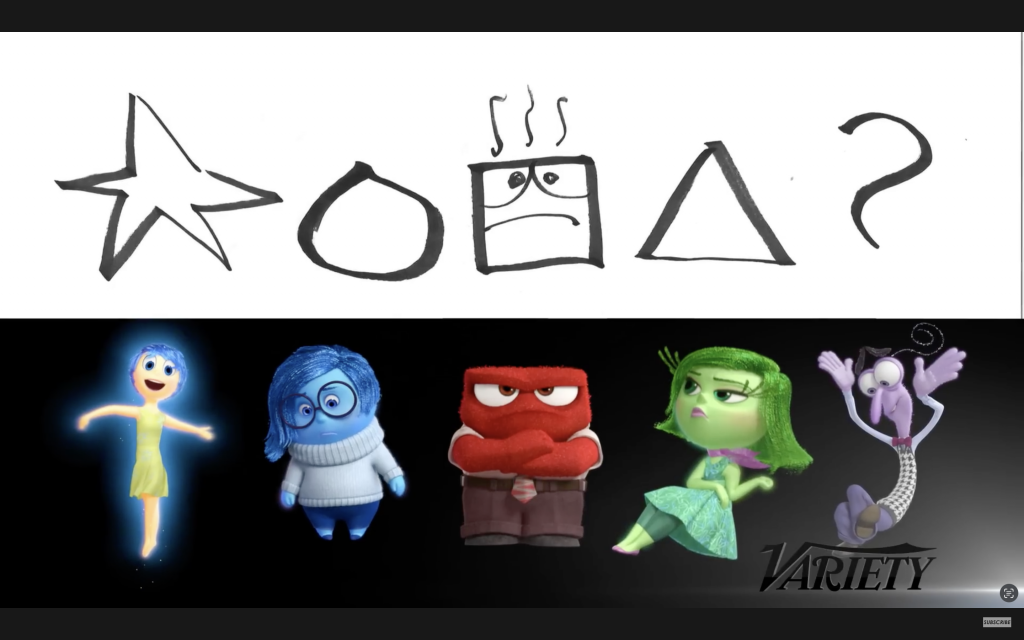
Tim Mcburnie, who has character design experience in various areas, talks about how different each purpose is in different briefs. It’s very important to have an understanding about where my work fits in. For instance, characters of the action RPG games tend to look cool and stunning by elaborate appeals and weapons. If the animation rig fits, it allows to have very detailed and complicated designs. It may lack relatability, but the purpose is to make players feel exciting and powerful visually. (The Drawing Codex, 2024) It works differently in feature animation, characters in Pixar and Disney always emphasized how to show powerful relatability in an easy animating way. Building characters based on the storytelling is always what I love to do, and I think my style fits the 2D cartoon animation, or 2D cartoon story-driven game better.
Must Skills
- Strong drawing skills
As a foundation for the later work, the character design should be accurate, consistent with the background and available for animating. Many points should be considered and mastered, such as anatomy, relevant fashion styles and animation itself etc. Don’t avoid to draw hands and feet!
- Work with different people
Animation production requires the reciprocal relationship. Many character designers in industry mentioned it’s important to be adaptive, not only the project style, but also the way to get along with the crew (Murrell Imagination, 2023). You need to work with others to solidify character (Variety, 2015), and be prepared to the chaotic situation.
- Relatability
Researching, getting feedback and drawing a lot. Especially in the industry of feature animation, the aim is creating something functional and iconic, and the good idea always takes time (Variety, 2015). What’s more, looking for reference to help contribute the design.
Workflow
- Taking descriptions and understanding the brief well.
- Brainstorming and drawing a lot to lay the foundation of character.
- After have a large shape or a big idea, digging detail. (Variety, 2015)
- Keeping updated with your crew or clients to receive feedback. Once approved, beginning on model sheets. (Brooke, 2017)
- Some prop design. (Brooke, 2017)
- Helping with storyboard revision. (Brooke, 2017)
How to get into the industry
- Understanding what you want to do
In the beginning of Randy Bishop’s career, he has done a lot of model sheets for other’s design. Randy encouraged to do even the most basic work which is somehow related to what you want to be hired at first (Murrell Imagination, 2023), it could be a starting point to begin the career when you don’t have much experience.
Tim Mcburnie also suggested to understand your style from personal work to see it fits what industry. (The Drawing Codex, 2024)
- Being prepared
Having work to build portfolio, social media and website. When we have a tour in studio Blinkink, the producer said there was a character design was rejected in the original pitch, but they found the style was suitable in another project and offer this opportunity. There will be more chance when you let people know you.
Bibliography
Brooke, M. (2017) ‘Meet Character Designer Matthew Brooke! #Interview’. Interview with Matthew Brooke. Interview by Tabarsi, A. 28 April. Available at: https://www.brownbagfilms.com/labs/entry/meet-character-designer-matthew-brooke-interview (Accessed: 06 Nov 2025).
Murrell Imagination (2023) CHARACTER DESIGN in Animation (with Randy Bishop) | Making Imagination. 7 March. Available at: https://www.youtube.com/watch?v=ljlIML5D1Uk (Accessed: 07 Nov 2025).
The Drawing Codex (2024) The Truth About Character ‘Design’. 7 November. Available at: https://www.youtube.com/watch?v=KH8cGg_ucgc (Accessed: 07 Nov 2025).
Variety (2015) ‘Inside Out’: Designing Characters for Pixar – Variety Artisans. 7 October. Available at: https://www.youtube.com/watch?v=AiTEa78XUBk (Accessed: 07 Nov 2025).
Write for Animation by Pietro Schito (2025) Pixar Art Director On How To Bring Characters to Life. 27 February. Available at: https://www.youtube.com/watch?v=_WjqzN_GTcU (Accessed: 07 Nov 2025).
Artists Interview: Randy Bishop (2015) Available at: https://characterdesignreferences.com/blog-interviews/randy-bishop (Accessed: 07 Nov 2025).